


Last week the international gravel calendar moved across three very different landscapes — from the Moroccan desert to the Arizona heat and the rolling backroads of Northern California — confirming once again how diverse and globally competitive the discipline has become.
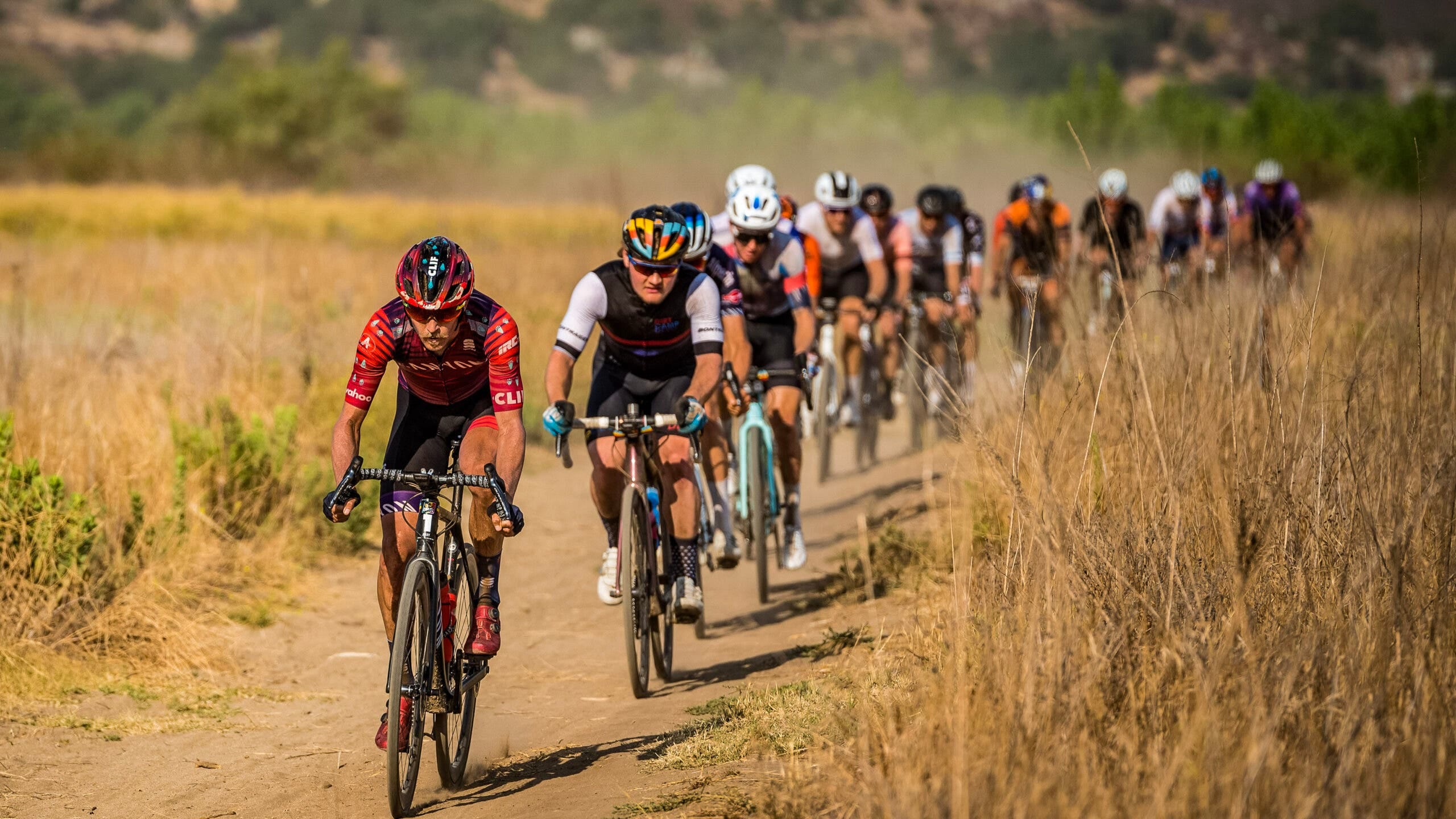
Sahara Gravel – A Four-Day Battle in the Desert
The Sahara Gravel delivered one of the most demanding stage races of the early season. Held in southern Morocco, the four-day event took riders deep into desert terrain shaped by vast plateaus, rocky pistes, wind-exposed valleys and long, isolated stretches where pacing and resource management proved decisive.
The route opened near Ouarzazate before heading toward Skoura, immediately exposing the peloton to hard-packed gravel and wide desert roads framed by dramatic canyon scenery. As the race progressed toward N’Kob and Zagora, riders faced rougher tracks, sandy sections and repeated undulating terrain that gradually created time gaps in the general classification. The final stage, finishing near El Mezouaria, combined smoother high-speed gravel with persistent headwinds, ensuring that no overall contender could afford a tactical miscalculation.
In the men’s race, French rider Hugo Drechou emerged as the overall winner thanks to a strong opening stage and consistent performances throughout the week. Rather than relying on a single dominant attack, Drechou built his victory through steady time gains and controlled riding in crosswinds and technical sectors.
The women’s general classification was won by Spain’s Marta Torà Milà, who demonstrated impressive composure in the desert conditions. Her ability to manage effort over multiple long stages, particularly on the more exposed and sandy sections, proved decisive. The Sahara Gravel once again confirmed its identity as a race where endurance, navigation, equipment choices and heat management are as important as raw power.
Belgian Waffle Ride Arizona – Speed and Strategy in the Desert Heat
In the United States, Belgian Waffle Ride Arizona brought its distinctive formula of mixed surfaces and high intensity racing to the McDowell Mountain Regional Park area. Covering approximately 100 miles, the course blended long pavement sectors, compact gravel roads, sandy washes and technical singletrack, all under temperatures that climbed close to 31 degrees Celsius.
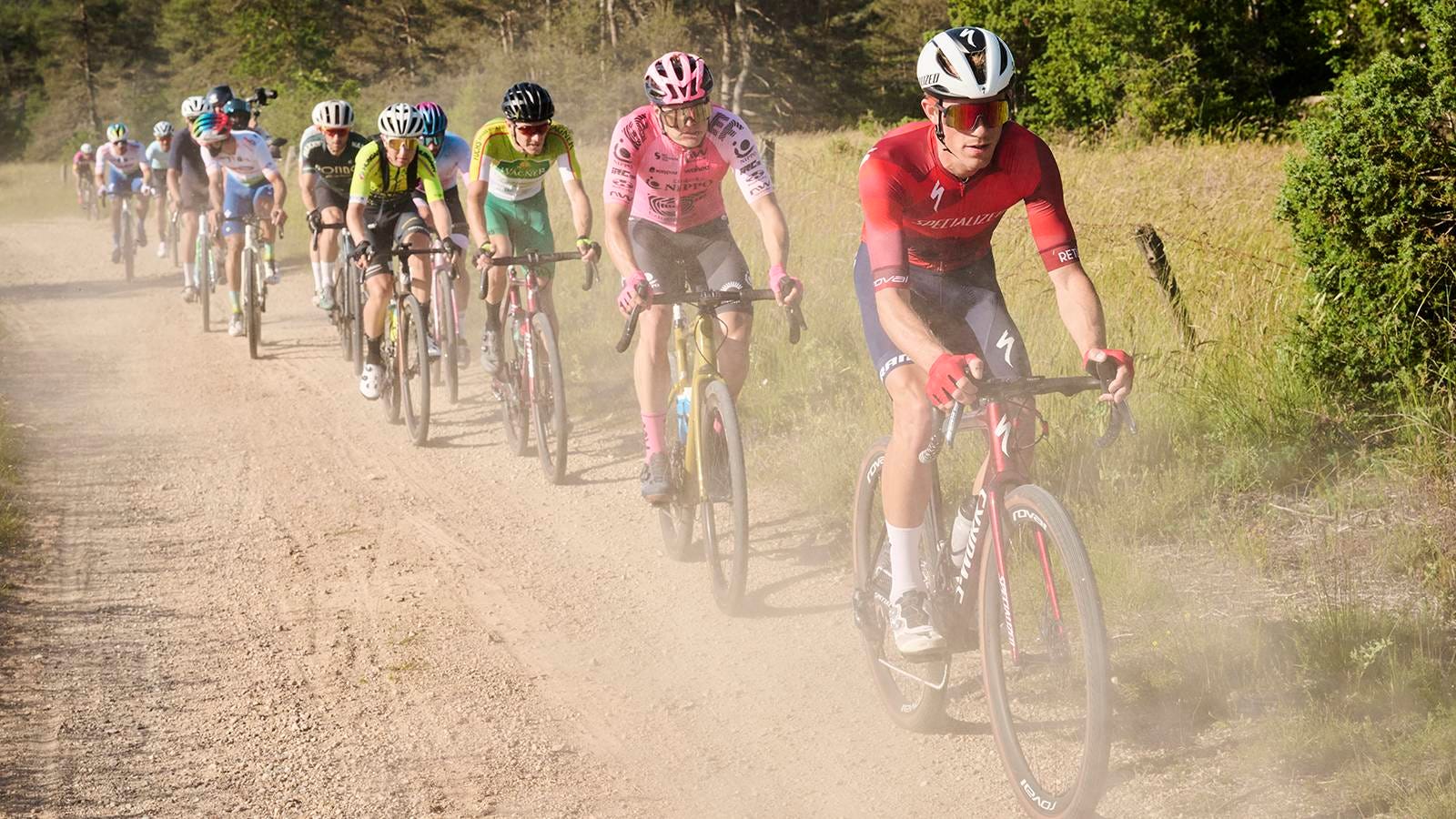
The men’s race unfolded aggressively from the start, with repeated accelerations across the early paved and rolling gravel sections thinning the front group. The decisive selection formed in the second half of the race, where sandy sectors and technical terrain reduced the lead group to a handful of contenders. After more than five hours of racing, Russell Finsterwald claimed victory in a two-up sprint against Andrew L’Esperance, timing his effort perfectly after a tactical duel that highlighted both endurance and positioning.
The women’s race was marked by a dominant solo performance from Haley Batten. In her debut at the Arizona event, Batten attacked decisively and rode clear of her rivals, maintaining a strong and consistent tempo across the mixed terrain. She crossed the line alone in 5:58:13, underlining her versatility outside the traditional cross-country mountain bike format. Behind her, Haley Smith and Cecile Lejeune completed the podium after a hard-fought chase.
The Arizona course once again emphasized the importance of tire choice, hydration strategy and technical handling, especially in sandy stretches where momentum could quickly be lost.
Grasshopper Huffmaster Hopper – Tradition and Intensity in Northern California
On the West Coast, the Huffmaster Hopper, part of the long-running Grasshopper Adventure Series, delivered a more classic mixed-surface format but with no shortage of intensity. The roughly 89-mile course featured an almost even split between pavement and gravel, with rolling terrain and punchy climbs winding through Northern California’s rural backroads near the Snow Mountain Wilderness.
The race developed selectively on the main climbs, where repeated accelerations created a reduced front group. In the men’s event, Brennan Wertz secured his third consecutive Huffmaster Hopper victory after a dramatic three-rider sprint. His ability to remain composed through the rolling finale and deliver a powerful finishing kick proved decisive once again, reinforcing his status as one of the most consistent performers in the series.
The women’s race also concluded in a sprint finish, with Alia Shafi taking victory after a tightly contested battle. The course’s constant changes in gradient and surface rewarded riders capable of combining climbing punch with efficient positioning on faster paved transitions.
A Global Discipline, Three Distinct Challenges
From the vast desert expanses of Morocco to the heat and sand of Arizona and the rolling hills of California, last week’s racing highlighted the multifaceted nature of gravel competition. Stage racing in extreme environments, high-speed mixed-surface classics and community-rooted series events each demand different skill sets, yet all reflect the same underlying evolution of the sport.
As the season continues to build momentum, performances in races like Sahara Gravel, Belgian Waffle Ride Arizona and the Huffmaster Hopper offer an early indication of the riders likely to shape the international gravel narrative in the months ahead.